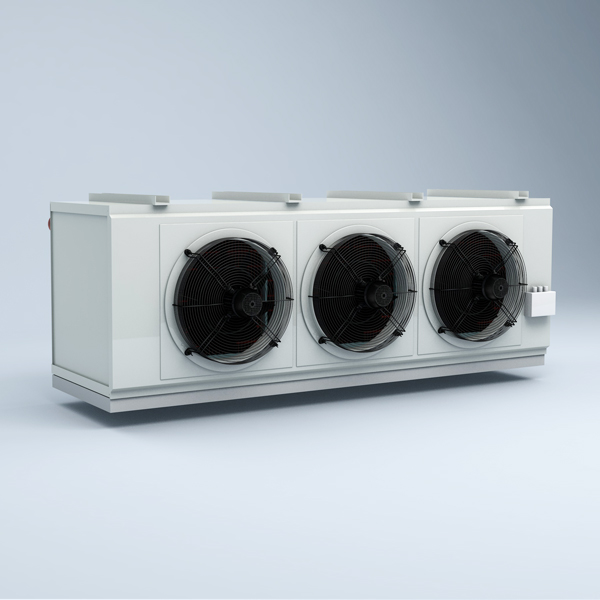
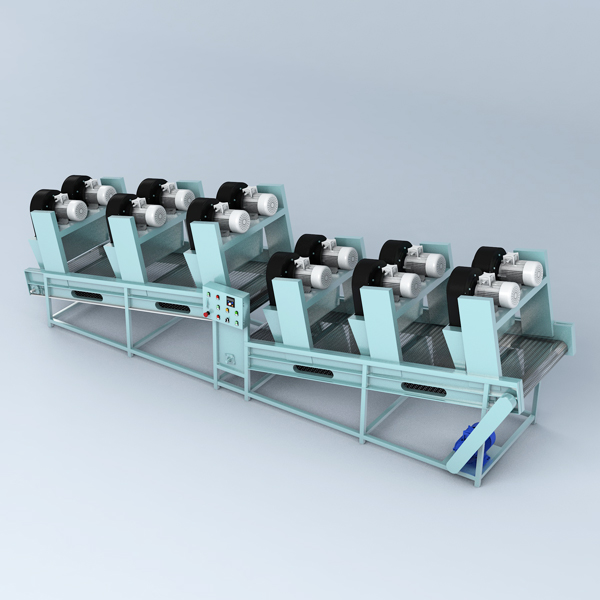
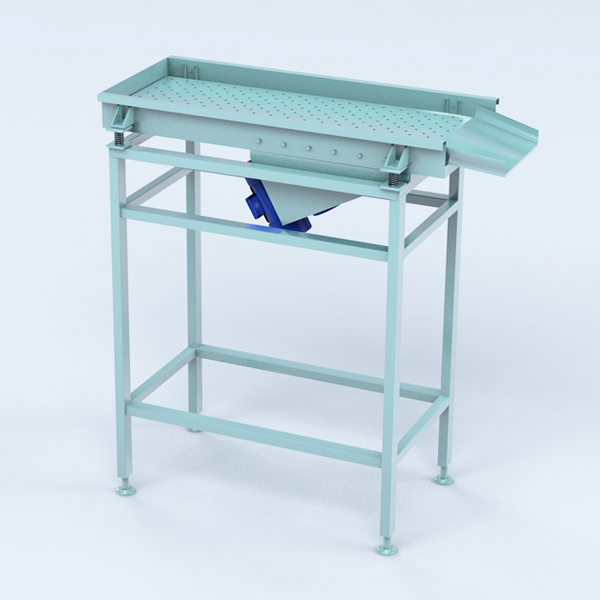
IQF FREEZER
The IQF Freezer efficiently freezes large volumes of diverseproducts—including meat, seafood, produce, andprepared foods—in various shapes.
Professional IQF Freezer Manufacturer in China
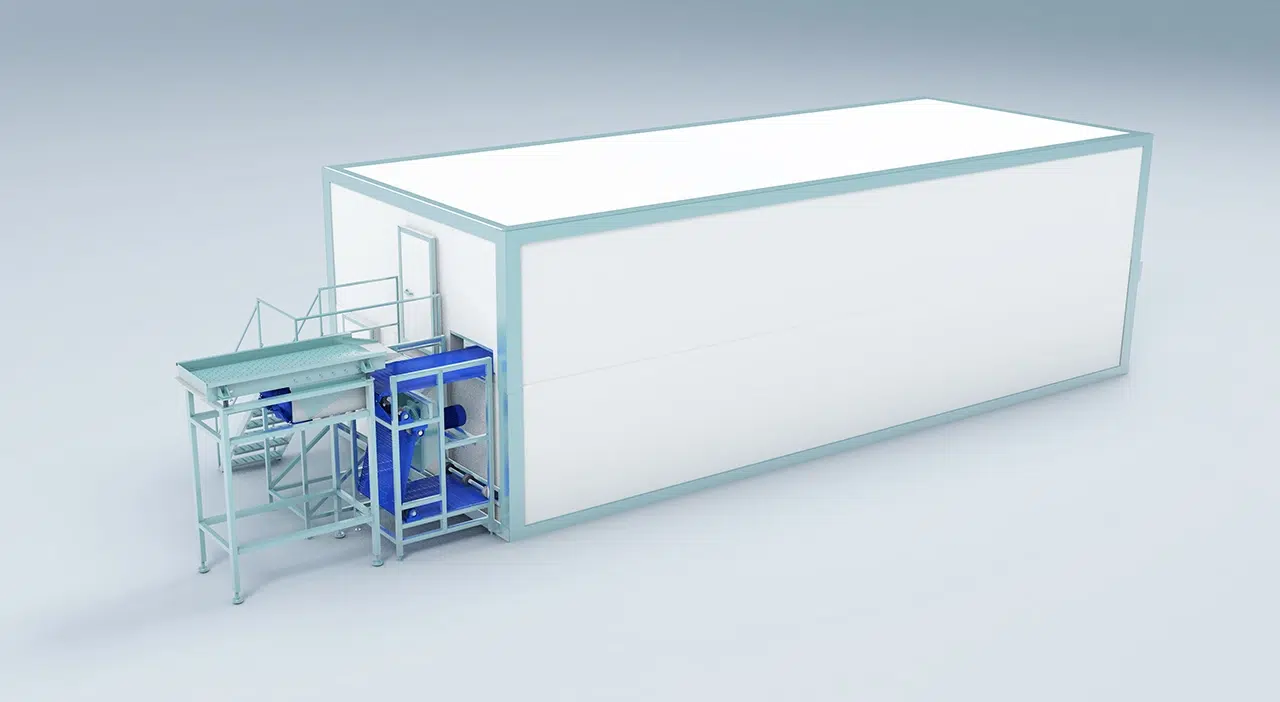
Our IQF Freezer(Individual Quick Freezing freezer) achieve a -18°C internal temperature swiftly, clearing the crystallization range (0 to -5°C) in under 30 minutes to ensure peak freshness and nutrient retention. This versatile, cost-effective solution handles various product shapes and types—from seafood to prepared meals. We offer specialized fluidized, tunnel, and spiral models to fit any production line.
Different Type Of IQF Freezer
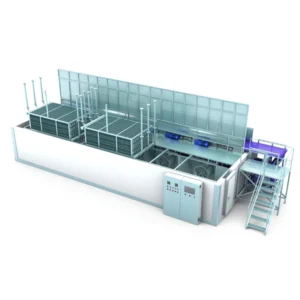
Fluidized Quick Freezer
The Fluidized Quick Freezer is a high-efficiency freezing system specifically designed for IQF (Individually Quick Frozen) processing of small, granular food products such as peas, berries, shrimp, and French fries.
Core Principle
By utilizing powerful upward-blown cold air, the product is lifted and suspended in a “fluidized” state. This ensures each individual particle is completely surrounded by freezing air for instantaneous heat exchange.
Advantages
Individually Quick Frozen (IQF): Prevents clumping; products remain separate and free-flowing after freezing.
Ultra-Fast Freezing: The high heat transfer coefficient ensures freezing is completed within minutes.
Minimal Dehydration: Rapid crust-freezing locks in moisture, preserving the original texture, color, and flavor.
Hygienic & Continuous: Features a continuous conveyor belt (stainless steel or plastic mesh) designed for easy cleaning and seamless production line integration.
Applications
Ideal for small, uniform items that can be easily agitated by airflow, including vegetables (corn kernels, diced carrots), fruits (berries), and seafood (small shrimp, scallops).
Fluidized Quick Freezer
Core Principle
Advantages
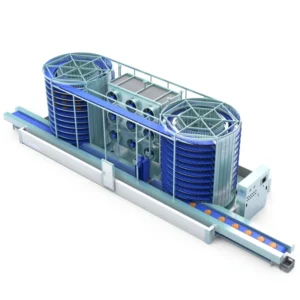
Space Efficiency: The vertical design provides a massive freezing area while occupying minimal floor space compared to linear tunnels.
Versatility: Capable of handling diverse products, from individual pieces to packaged trays and larger items like poultry or pizzas.
Gentle Handling: The smooth, continuous movement of the spiral belt minimizes mechanical impact, preserving the shape and appearance of delicate products.
Extended Retention Time: Easily adjustable for products that require longer freezing cycles (e.g., thick meat patties or dough).
Applications
Widely used for prepared meals (frozen dinners, pizzas), bakery products (bread, pastries), meat & poultry (nuggets, patties), and packaged seafood.
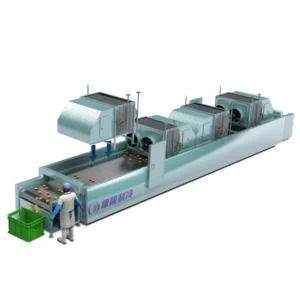
Mesh Belt Tunnel Quick Freezer
The Mesh Belt Tunnel Freezer is a versatile, continuous-flow freezing system that transports products through a linear cooling tunnel on a high-strength mesh belt. It is the most common solution for high-volume, standardized production lines.
Core Principle
Products are laid flat on a stainless steel or plastic mesh belt that moves through a long, insulated tunnel. High-velocity cold air is blown across or through the belt (often from both top and bottom), rapidly extracting heat through forced convection to achieve deep freezing.
Advantages
Simplicity & Reliability: The straight-line mechanical structure is easy to operate, maintain, and integrate into existing processing lines.
Superior Hygiene: The open, linear design allows for easy access to all internal components, making it easier to clean (often compatible with CIP systems) than complex spiral systems.
Uniform Airflow: Precise air duct design ensures consistent cooling across the entire width of the belt, preventing uneven freezing.
Flexible Configuration: Can be customized with multiple stages (precooling and deep freezing) or double-belt designs to handle different products simultaneously.
Applications
Best suited for sturdy or tray-packed products, including meat & poultry (chicken breasts, steaks), seafood (fish fillets, whole fish), prepared foods (dumplings, spring rolls), and large fruits/vegetables.
Plate Contact Quick Freezer
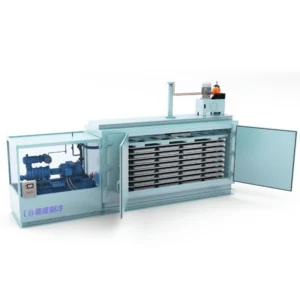
The Plate Contact IQF Freezer is a high-efficiency contact freezing system that freezes products by sandwiching them between internal-refrigerated aluminum plates. It is the premier choice for freezing rectangular blocks or flat-packaged products.
Core Principle
Products are placed between a series of horizontal or vertical metal plates. A hydraulic system then presses the plates into direct contact with the product surface. Heat is removed through conduction—the most efficient form of heat transfer—as refrigerant circulates directly inside the hollow plates.
Advantages
Maximum Energy Efficiency: Direct contact conduction is significantly faster and more energy-efficient than air-blast freezing, as there is no fan power consumption.
Uniform Shape & Stacking: The hydraulic pressure ensures the product freezes into a perfectly flat, uniform block, which optimizes storage and transport space.
Superior Quality: Rapid freezing prevents large ice crystal formation, protecting the cellular structure and texture of the food.
Compact Design: Provides a large freezing capacity within a very small footprint, making it ideal for onboard vessel installations.
Applications
Primarily used for block-frozen goods, such as seafood (shrimp blocks, fish fillets), meat and offal, fruit pulps, and liquid products packed in cartons or bags.
How To Choose Your Suitable IQF Freezer
1. Evaluate Production Capacity
Assess your daily output and product variety before selecting an IQF freezer. Defining these parameters ensures the equipment’s capacity and dimensions align perfectly with your operational requirements.
2. Match Freezing Technology
Different systems—such as spiral, tunnel, or blast freezers—suit different needs. Select a method that complements your product type: use blast freezers for delicate items to preserve integrity, and tunnel freezers for high-volume efficiency.
3. Precision Temperature Control
Prioritize units offering precise thermal management and uniform airflow. Consistent cooling prevents large ice crystals, preserving the original texture, flavor, and overall quality of the food.
4. Energy Optimization
Opt for high-efficiency models featuring advanced insulation and rapid-freeze technology. Energy-efficient systems reduce long-term overhead and support sustainable manufacturing goals.
5. Operational Ergonomics
Select equipment with an intuitive interface and accessible components. User-friendly controls and simplified maintenance access enhance workflow efficiency and reduce downtime.
6. Build Quality and Reliability
Invest in reputable brands known for robust engineering. A durable machine minimizes technical failures, lowers service costs, and maximizes the lifespan of your capital investment.
7. Spatial Integration
Ensure the freezer footprint fits your facility’s layout. Proper positioning should optimize production flow and provide unobstructed access for loading and unloading.
8. Strategic Budgeting
Balance technical specifications with financial constraints. Aim for a solution that delivers essential functionality and performance without overspending on unnecessary features.
Frequently Asked Questions
Q: What types of food are frozen with IQF?
A: Suitable for nearly all foods, IQF is primarily used for fruits, vegetables, seafood, and meat cuts. It preserves perishables effectively by preventing clumping and maintaining individual product integrity.
Q: What you need to pay attention to when packaging IQF products?
A:
To maximize the efficiency of your IQF freezer and maintain the integrity of individual quick-frozen products, selecting the right packaging is critical. Below are the essential requirements for packaging products processed by an IQF freezing system:
Freeze-Resistant Materials: Use materials engineered for extreme low temperatures to prevent freezer burn and maintain structural integrity.
Airtight Sealing: High-quality seals are mandatory to block moisture and air, preserving the premium texture produced by the IQF freezer.
Smart Portioning: Packaging should allow consumers to remove individual items easily without thawing the entire batch—preserving the “individual” benefit of IQF technology.
Contamination Shield: Robust barriers protect against external odors, contaminants, and moisture during storage and transit.
Clear Visibility: Transparent films enable easy product identification and showcase the superior quality of IQF-processed goods.
Informative Labeling: Labels must clearly state product names, freezing dates, and storage instructions for food safety compliance.
Usage Instructions: Include precise thawing or cooking guides to ensure the end-user maintains the quality achieved during the IQF freezing process.
Eco-Friendly Solutions: Prioritize sustainable and recyclable materials to meet modern environmental standards and “green” manufacturing trends.
Shelf Life Data: Clearly display recommended storage durations to ensure peak freshness for IQF products.
Flexible Sizing: Offer various packaging dimensions to cater to diverse retail and industrial market demands.
Q: What is the principle of IQF freezing?
A: The core technology of a mechanical IQF freezer relies on high-speed, cold air circulation. This horizontal airflow is precisely guided over individual food items, ensuring a fast freezing process that preserves product quality.
Q: What is the difference between IQF and frozen?
A: IQF technology allows each product to freeze individually, preventing clumping. Consequently, an IQF freezer delivers superior product quality and texture compared to traditional bulk cold storage freezing.
Q: What temperature is IQF stored at?
A: An IQF freezer ensures products rapidly pass through the “maximum ice crystal formation zone,” completing the quick-freeze process once the core temperature hits -18°C. Typically, these IQF freezing systems operate at ambient temperatures ranging from -15°C to -35°C to maintain peak efficiency.
Q: How long does IQF take?
A: An IQF freezer dramatically reduces freezing time. While conventional methods take hours to freeze meat, an IQF freezing system completes the process in just 90 minutes or less. This rapid speed allows products to bypass the critical ice crystal formation zone (30°F to 25°F), ensuring superior food texture and quality.
Q: What is the difference between IQF and non IQF?
A: Compared to traditional methods, the IQF freezer stands out as the superior choice for high-quality food preservation. While block freezing often damages cellular structures through large ice crystals and freezer burn, our IQF freezing technology locks in texture and nutrients through rapid temperature reduction.
Q: What is the difference between IQF and cold storage?
A: An IQF freezer is the ideal solution for processing individual food items and small portions. Its ability to freeze pieces separately ensures effortless portion control, allowing users to take exactly what they need without thawing the entire batch. In contrast, cold store freezing is designed for handling large-scale, bulk quantities at once.
Q: How fast is IQF?
A: The efficiency of an IQF freezer is remarkable: at -36°C, it typically takes 1 minute to freeze 1 mm of fresh protein. For example, a 40 mm thick fresh chicken breast can reach a core temperature of -18°C from +4°C in just 40-45 minutes. For even higher throughput, cryogenic IQF freezing offers even faster processing speeds.
Q: What are the benefits of IQF freezer?
A:
Why an IQF Freezer is Superior for Food Preservation: One of the primary benefits of using an IQF freezer is the rapid processing speed—completing in just minutes. This ultra-fast freezing prevents the formation of large ice crystals that can destroy cell membranes at a molecular level.
By utilizing advanced IQF technology, food products maintain their original shape, color, aroma, and taste far better than traditional methods. Unlike block freezing, an IQF freezing system keeps individual pieces separate. This not only ensures a premium product but also promotes food sustainability by allowing consumers to defrost only the exact portion needed, significantly reducing food waste.